
Tiny protein-carrying sacs could signal kidney damage in AAV
Study findings could help researchers detect disease, develop treatments
Written by |
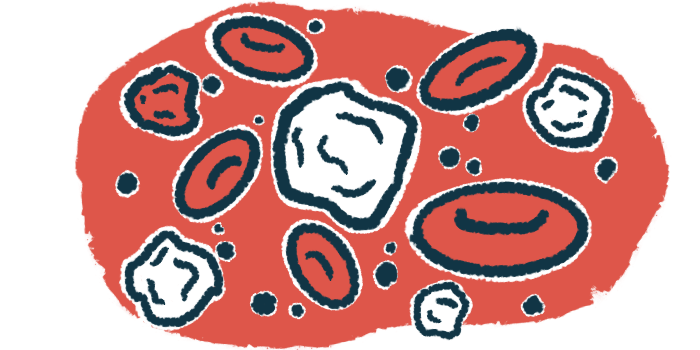
A study linked higher blood levels of tiny sacs carrying immune proteins from the complement system — which is known to contribute to ANCA-associated vasculitis (AAV) — to kidney involvement and damage in AAV patients.
The findings could help doctors detect kidney disease in people with AAV and develop targeted treatments.
The study, “Extracellular vesicles exposing complement split products are associated with kidney involvement in antineutrophil cytoplasmic antibody (ANCA)-associated vasculitis (AAV),” was published in RMD Open Rheumatic & Musculoskeletal Diseases.
AAV is caused in most cases by self-reactive antibodies, called ANCAs, that target one of two proteins, MPO and PR3, on neutrophils, a type of immune cell.
An autoimmune response against neutrophils causes the cells to release inflammatory molecules that, in turn, activate the complement cascade, a part of the immune system that typically helps protect the body against infection. The excessive complement activation in AAV creates a cycle of inflammation that attracts more neutrophils and damages small blood vessels, including those in the kidneys.

Analyzing EVs
MPO and PR3 can also be associated with extracellular vesicles (EVs) released by neutrophils. EVs are tiny particles released by most types of cells that carry proteins and other molecules allowing cells to communicate with each other. MPO- and PR3-containing EVs can increase exposure to these proteins, thereby boosting ANCA-based autoimmune responses.
The researchers previously found higher levels of MPO-positive EVs containing complement proteins in people with AAV compared with controls, and in AAV patients with kidney involvement relative to those without.
To find out more, they analyzed the blood levels of MPO-positive EVs carrying complement proteins in 81 adults (53.1% men) with AAV, ages 18 to 87, treated at Karolinska University Hospital in Sweden.
Fifty-nine had granulomatosis with polyangiitis (GPA) and 22 had microscopic polyangiitis (MPA), the two main types of AAV. More than half (61.7%) had ANCAs against PR, while 38.3% tested positive for anti-MPO antibodies. Most participants (90.1%) had active disease, and of those, more than two-thirds (68.5%) had kidney involvement.
Results showed that active AAV patients tended to have higher levels of MPO-positive EVs, and those carrying the complement proteins C3a, C4d, and TCC — which reflect complement system activation — than patients in disease remission.
In all patients, higher Birmingham Vasculitis Activity Score (BVAS) scores, which indicate more active disease, were significantly associated with higher levels of MPO-positive EVs, and those carrying those three types of complement proteins. Similar associations were observed in people with active AAV.
In the group of active AAV patients, those with kidney involvement had significantly more MPO-positive EVs, especially those carrying C3a, C4d, and TCC, than those without.
Kidney function was measured using the estimated glomerular filtration rate (eGFR), which estimates how well the kidneys filter waste from the blood. Having more MPO-positive EVs, including those carrying complement proteins, was significantly linked to a lower eGFR, which indicates worse kidney function.
Higher levels of MPO-positive EVs were also significantly associated with a higher urine albumin-to-creatinine ratio, a measure of how much protein leaks into urine, with higher levels reflecting poor kidney function.
Data from kidney biopsies, in which small samples of tissue are collected for examination under a microscope, showed that a higher proportion of damaged glomeruli (the kidneys’ filtering units) was significantly associated with higher levels of MPO-positive EVs, including those carrying C3a, C4d, and TCC.
Patients with less than 25% of healthy glomeruli had significantly higher levels of C3a- and C4d-carrying MPO-positive EVs compared with those with at least 25% healthy glomeruli.
Participants whose disease mainly affected the chest, ear, nose, and throat, but not the kidneys, had significantly lower levels of all MPO-positive EVs than those with kidney involvement and other combinations of organ manifestations.
This supports the idea that complement proteins carried by EVs may drive kidney damage. Indeed, additional statistical analyses confirmed that MPO-positive EVs, especially those carrying C3a and TCC, could accurately distinguish active AAV patients with kidney involvement from those without.
Overall, the findings suggest that EVs carrying complement proteins are linked to kidney damage in AAV.
“The correlation with disease activity in combination with the inflammatory severity of kidney involvement further emphasises a role of complement involvement in the inflammatory process in [kidney] disease in AAV,” the researchers wrote. “To further evaluate the relation of EVs in active disease and in remission, larger [groups] of patients including repeated samples from the same individual followed longitudinally in different phases of disease could provide further insights.”




Leave a comment
Fill in the required fields to post. Your email address will not be published.